 Settled Overseas
Move to the Dominican Republic prepared — not guessing.
A step-by-step preparation manual for Americans retiring or relocating to the Dominican Republic: what to do before you leave, how long you can legally stay, the path to residency, how to pick your city, rent vs. buy, banking, and how to vet the local professionals you'll rely on.
Secure checkout powered by Stripe. Access and refund details are below.
The Dominican Republic, honestly.
Americans keep choosing this island for reasons that survive contact with reality: a real pensionado residency route from US$1,500 a month in pension income (plus US$250 per dependent), direct flights from the U.S., warm weather without a winter coat — and a genuine range of places to land, from the capital's hospitals and neighborhoods to the north coast and Samaná. This page compares 8 cities on the facts that decide whether daily life works: healthcare depth, real monthly costs, renting versus buying, and the paperwork that comes first.
The honest parts stay on this page, not in the footnotes: Medicare generally does not pay for care here; healthcare is strong in Santo Domingo, Santiago, Punta Cana and Puerto Plata and thin in Las Terrenas and La Romana — printed as gaps, not smoothed over; and every figure carries its source and its “as of” date, so you can check it before you trust it.
Start with the cities below, or open the interactive planner and see which of them matches your income, your household and the life you're picturing.
The expensive way to learn a new country is by making the mistakes.
Every year, thousands of Americans move to the Dominican Republic. The ones who struggle usually aren't careless — they just didn't know what they didn't know:
- Staying too long on a tourist entry — and finding out at the airport what overstays actually trigger.
- Paying a "reservation deposit" on a property before anyone verified the title — the classic five-figure mistake.
- Assuming Medicare follows you. It generally does not cover care outside the United States — a fact many people learn in a hospital.
- Missing U.S. obligations that don't stop at the border — like the FBAR filing required once foreign bank accounts pass $10,000 combined, where penalties can reach five figures per violation.
- Hiring the first attorney or agent who speaks English — good English is not the same as a verifiable track record.
- Choosing a city from vacation memories — then discovering the healthcare, noise, water, or cost reality of living there year-round.
The Settled Overseas Dominican Republic manual exists so you learn these things from a checklist instead of from a loss.
What's inside the manual
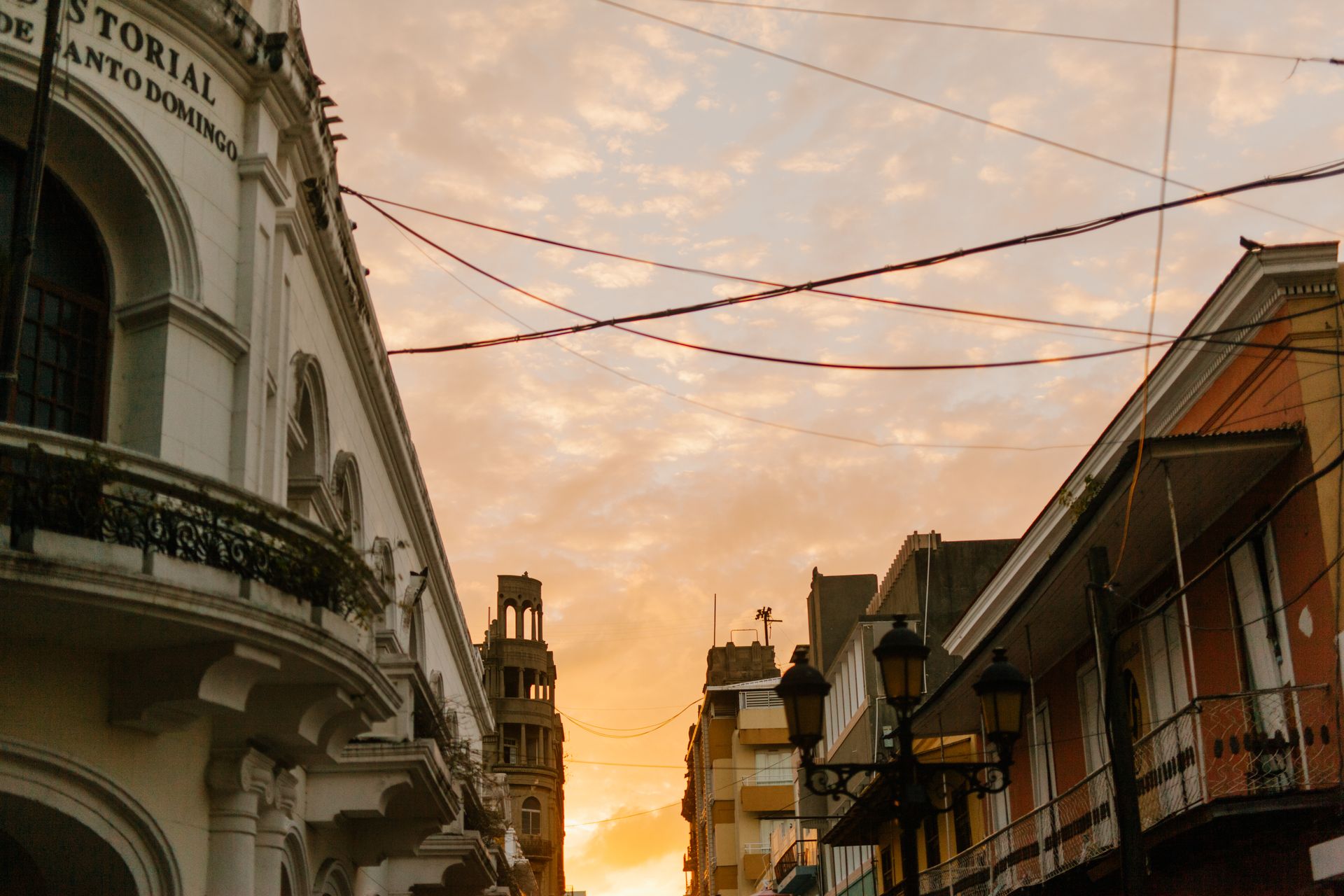
Eight regions, eight very different lives. Tap any card for the honest rundown — the feel, who it fits, what to watch for, and more photos and video where we have them.
- Step 1: Prepare before you moveDocuments to gather, money to position, what to close, keep, or redirect stateside — in the right order, starting months before your flight.
- How long you can stay as a visitorThe current entry rules, what overstaying triggers, and how to stay legal from day one.
- The residency path, mappedThe pensionado route (currently from $1,500/month in pension income, under Laws 285-04 / 171-07), document lists, fees, sequence, and realistic timelines — every figure dated and sourced.
- Picking the right cityHow to weigh beach vs. mountain, healthcare access, expat density, noise, Spanish level, and cost — with dated cost-of-living ranges, not brochure prices.
- Rent vs. buyWhen renting first is the smart money, when buying makes sense, Dominican title basics, and the red flags that should end any deal.
- Opening a bank accountExactly which documents banks ask for, the order to do things in, and how your U.S. filing obligations (FBAR/FATCA) change once you bank abroad.
- Vetting attorneys and real-estate agentsThe interview questions, credential checks, and red-flag list that separate professionals from English-speaking middlemen.
- Daily-life realities, sourcedLanguage, schools for families, phone and internet, transportation, safety data, and economic and political stability — drawn from dated official indices, and clearly labeled where you should judge for yourself.
- Healthcare, explained honestlyHow the Dominican public and private systems work and what coverage categories exist. Factual education only — never plan recommendations.
Every number in the manual carries a source and an "as of" date. When Dominican rules change the numbers, the manual is updated — and buyers receive the updates.
The political system, in brief
Knowing who runs the country — and how rules change — is part of moving there prepared.
An elected president leads the executive; a bicameral Congress (Senate & Chamber of Deputies) makes the laws — including the migration laws your residency depends on.
Re-elected in May 2024 for a second term running to 2028, on a pro-business, pro-investment platform. Presidential terms are four years.
Presidential and congressional elections together; the next vote is in 2028. Policy shifts arrive through Congress, so the rules you file under can change with a legislature.
Prices, pensions and property deals still quote US dollars in much of expat life — your dossier shows where pesos rule and where dollars do.
Trivia: did you know?
Nine quick reasons this island gets under your skin — every one of them checkable.
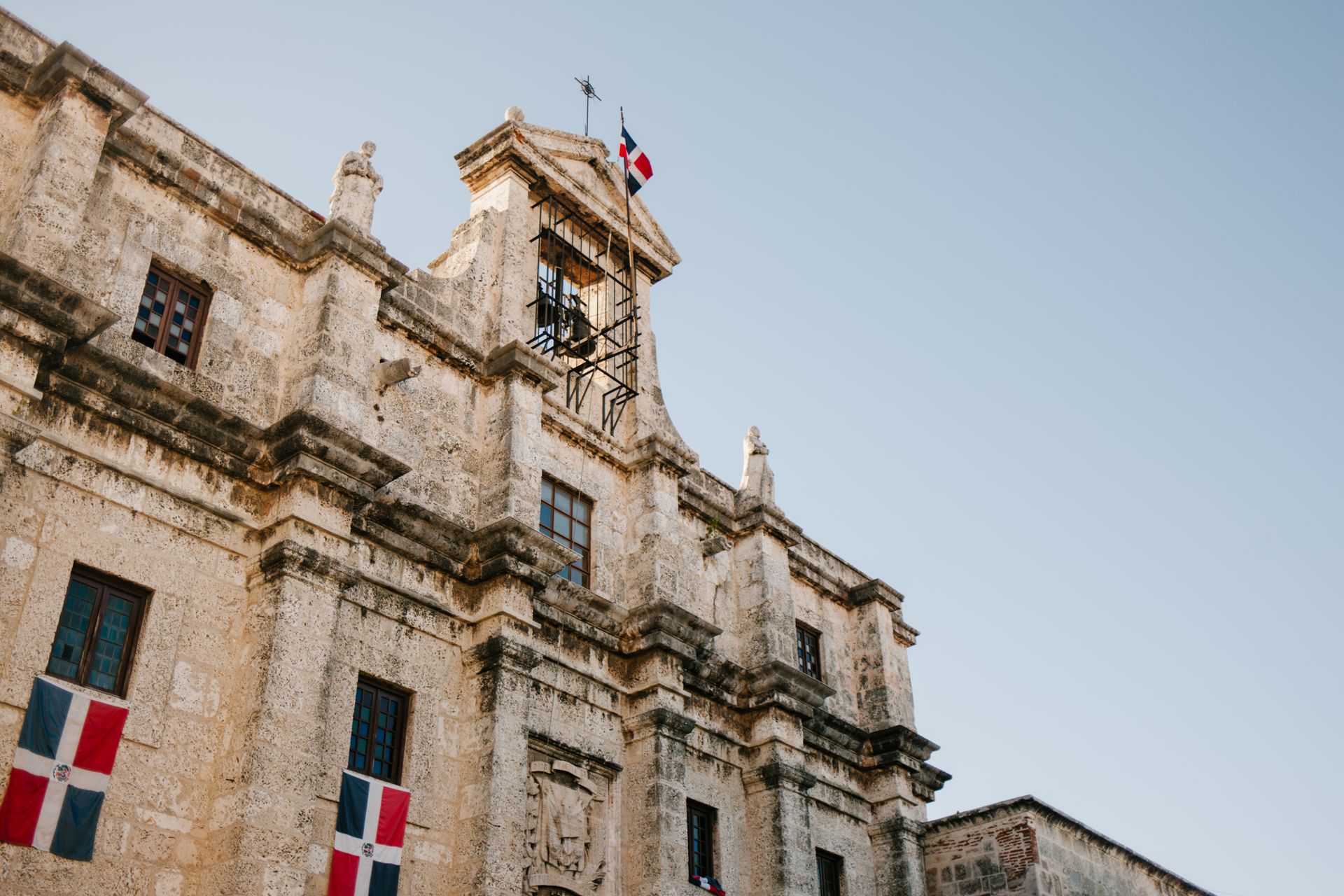
The Colonial City holds the first cathedral, the first hospital and the first university built in the Americas — and people still live and work among them. A UNESCO World Heritage Site since 1990.
Every winter, thousands of humpback whales return to Samaná Bay to mate and calve — one of the largest gatherings of its kind in the North Atlantic.
Larimar, a soft-blue gemstone found nowhere else on Earth, is mined only here, in the hills near Barahona.
The Cibao valley around Santiago grows the leaf behind many of the world's highest-rated cigars.
The trail up Pico Duarte starts here — at 3,098 m (10,164 ft), the tallest peak in the entire Caribbean.
Altos de Chavón looks like a 16th-century Mediterranean village. It opened in 1982 — with Frank Sinatra singing in its stone amphitheater.
Puerto Plata's cable car climbs Mount Isabel de Torres to a Christ statue over the Atlantic. Down the coast, Cabarete's bay is a world-circuit stop for kiteboarding.
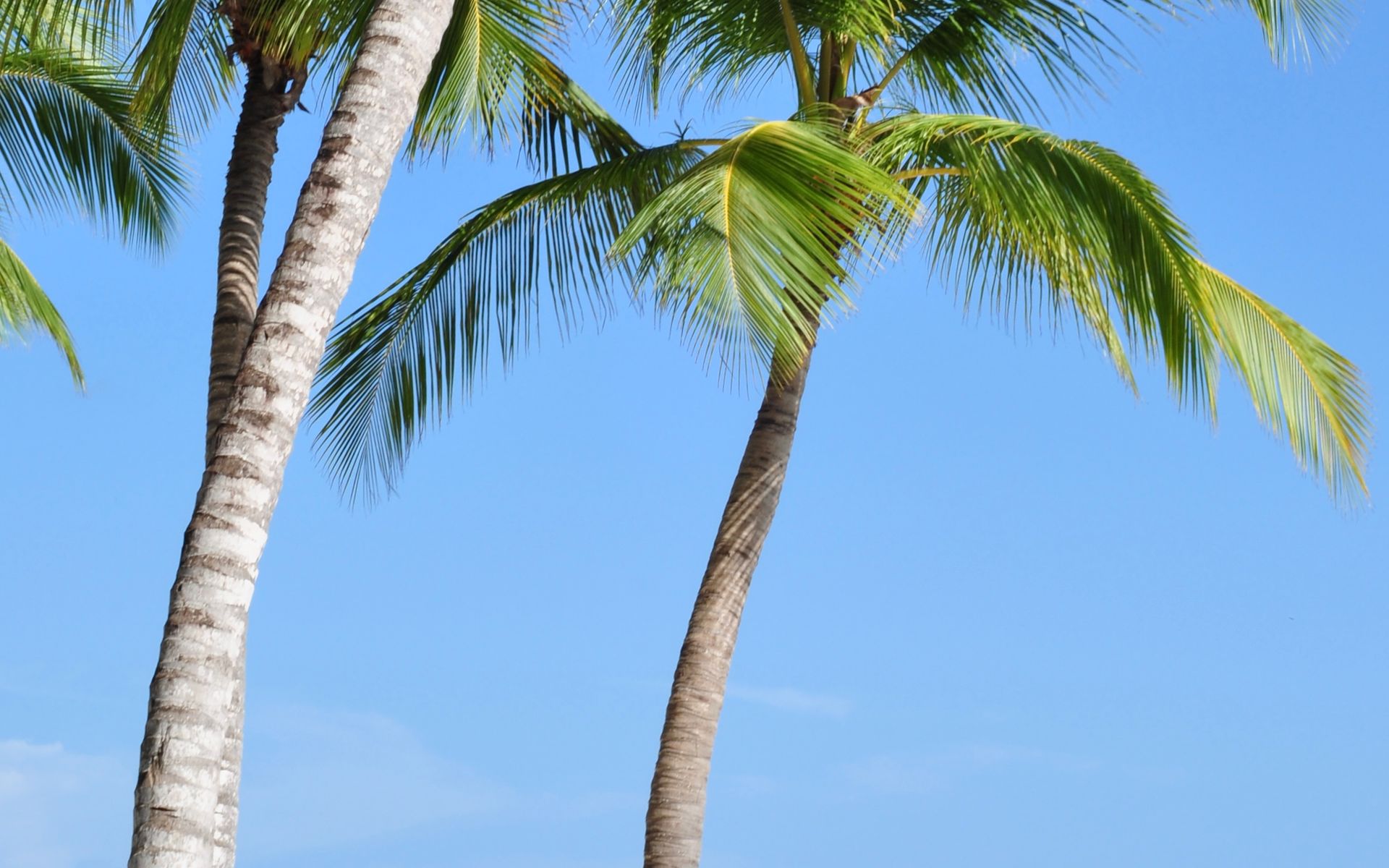
The east coast is the Costa del Coco, the Coconut Coast — palm groves shading miles of white sand where the Atlantic meets the Caribbean.
The Dominican Republic shares Hispaniola with Haiti — one of only a few Caribbean islands split between two nations, two languages and two very different histories.
The Caribbean's largest lake sits below sea level — salty enough that American crocodiles cruise its shores, in a desert valley of cactus.
Merengue and bachata were both born on this island — and both sit on UNESCO's cultural heritage lists.
Quick quiz — no grades, we promise
1. Which city holds the first cathedral built in the Americas?
Right — the Catedral Primada de América, in Santo Domingo's Colonial City.
2. The blue gemstone larimar is mined in…?
Only here — in the hills near Barahona, in the southwest.
3. Each winter, Samaná Bay fills with…?
Thousands of North Atlantic humpbacks come to mate and calve, roughly January to March.
Preparation checklist
Tick things off as you accomplish them. Your progress saves on this device only — nobody else sees it.
Decide & scout
Documents
Money & health
Land & settle
Inside your dossier
This is what the $149 actually looks like — not articles, a document built around you.
Your Dominican Republic Relocation Plan
Assembled from your planner answers: household, income, cities, timeline.
The pensionado route. Pension income of US$1,500 a month (plus US$250 per dependent) opens the pensioner residency path.
Every figure in your dossier carries its source and its “as of” date — so you can check us before you trust us.
Vetted contacts come with names, phones and evidence — including a Las Terrenas immigration attorney our own network has hired directly.
How this works — plainly
You order today
$149, one-time, through secure Stripe checkout. Your confirmation email arrives right away.
Your access opens
Immediately after checkout: the interactive planner plus the complete Dominican Republic dossier — cities, residency, healthcare, real costs, checklists.
It stays current
Visa rules and fees change. When they do, the dossier is updated and the new numbers reach you free. And if it isn't what was described, email us within 14 days for a full refund.
- The complete Dominican Republic preparation manual (digital)
- Step-by-step checklists, document lists, and sequences
- Attorney & real-estate-agent vetting playbook
- Dated, sourced figures throughout — nothing invented
- Free updates when Dominican rules change the numbers
- 14-day promise: if it isn't what was described, email us within 14 days — we'll make it right or refund you in full.
Secure checkout powered by Stripe. You will see "Settled Overseas" on your payment confirmation.
Questions, answered straight
Is this legal or immigration advice?
No. The manual is educational information — route maps, official thresholds, document lists, and sequences — so you can prepare intelligently and talk to a Dominican immigration attorney already knowing the landscape. It never tells you what you personally qualify for; that's a licensed professional's job, and the manual shows you how to find a good one.
When exactly do I receive the manual?
Your order is confirmed by email right away. Access opens immediately: the interactive planner plus the Dominican Republic dossier, with free updates whenever the rules change the numbers.
Why the Dominican Republic first?
Because it's where preparation matters most and help is scarcest: a real pensionado residency route from $1,500/month in pension income, direct flights from the U.S., and — unlike Mexico — no single dominant, trustworthy preparation manual for American retirees. Spain, Panama, Costa Rica, and Mexico editions are planned after this one proves itself.
Is the information kept current?
Visa rules and fees change — sometimes yearly. Every figure in the manual is dated and sourced, the manual is revised when rules change, and buyers receive those updates at no charge.
I'm moving with kids / I'm not retired yet. Is this for me?
Yes. The manual is written for Americans relocating to the Dominican Republic — retirees are the core reader, but schools, family residency thresholds, and working-age routes are covered too.
What if I change my mind before the manual ships?
Email us any time before delivery and we'll refund you in full. After delivery, if the manual genuinely isn't what was promised, email us — we'd rather refund you than have an unhappy reader.
Will you try to sell me land, insurance, or anything else?
No. Settled Overseas sells preparation manuals — nothing else. No real estate, no insurance, no financial products, no affiliate funnel into anyone's sales pipeline.
Important: Settled Overseas manuals are educational information only. They are not legal, immigration, tax, insurance, medical, or real-estate advice, and they are not a substitute for a licensed attorney, CPA, or insurance professional in the relevant country. Residency thresholds, fees, and rules are stated as of their cited dates and change over time; confirm current requirements with official sources and qualified local professionals before acting. Medicare generally does not cover healthcare outside the United States — this manual explains how foreign healthcare systems work and never recommends any insurance product or enrollment decision.