 Settled OverseasSomeday Doesn’t Have to Become Never.

Move to Nicaragua prepared — with your eyes open.
Low costs are real here. So are the conditions below. This page states the current law, the current U.S. advisory, and where comprehensive healthcare actually is — dated and sourced, before any lifestyle talk.
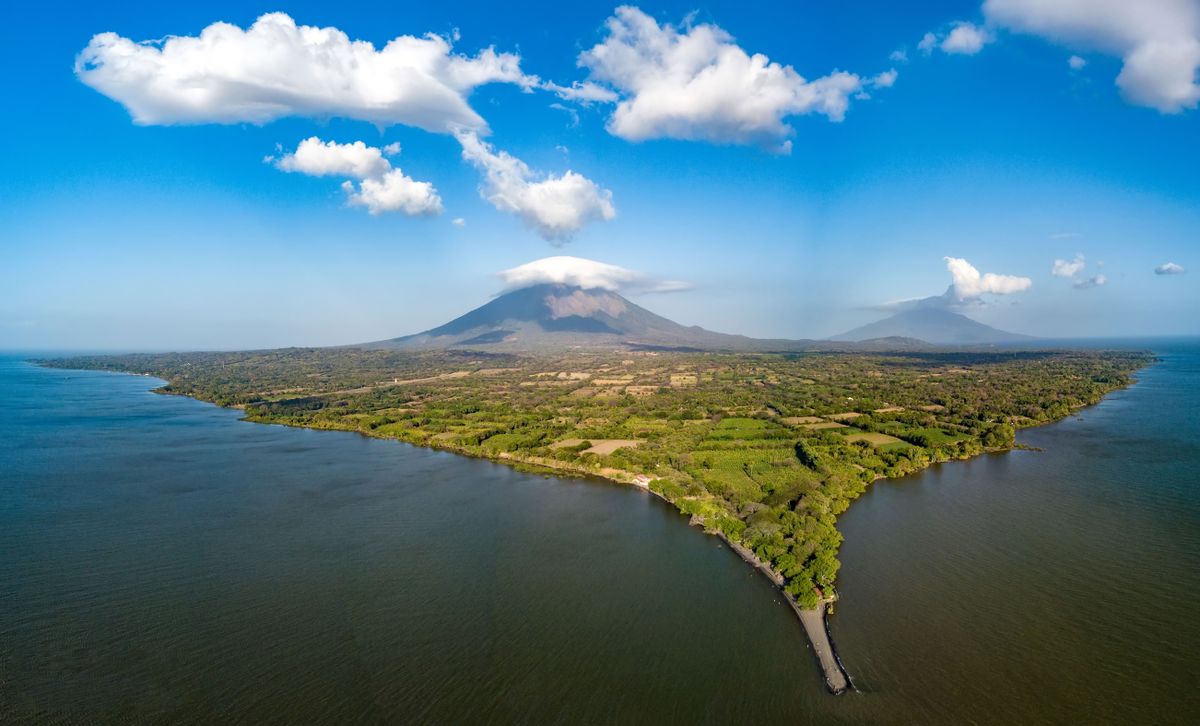
Nicaragua, honestly.
Nicaragua is one of the lowest-cost countries in this lineup, and people do retire here — in Granada, San Juan del Sur, León, and Managua. But this is the one country in the lineup where we put the conditions before the costs, because four dated facts change what a careful planner does next:
1. The old pensionado law was repealed. Ley 1210 repealed the pensionado/rentista promotion law (Ley 694) on 2 August 2024, and Ley 1228 (published 29 November 2024) removed pensionados and rentistas from the permanent-residence categories. What remains is temporary renewable residence. English-language pages still advertising “$600 a month, permanent residency, citizenship in a few years” are describing the repealed framework. (Sources: National Assembly consolidated-law note; Consortium Legal analysis, 29 July 2025.)
2. The U.S. advisory is Level 3. The U.S. State Department’s Nicaragua Travel Advisory dated 14 May 2026 is Level 3: Reconsider Travel. It states that U.S. nationals are at serious risk of wrongful detention, that exit bans have been imposed, and that authorities may seize property — including land, homes, cash, and financial assets — without warning or legal justification.
3. Border land changed status in 2025. A law dated August 2025 (Ley 1258, per the National Assembly statute as summarized by Nicaraguan legal sources) declared land within 15 km of the Honduras and Costa Rica borders state property. What that means for a specific parcel near San Juan del Sur or Rivas is a question for Nicaraguan property counsel, parcel by parcel — before money moves.
4. Comprehensive healthcare is in Managua. The same May 2026 advisory states that comprehensive quality healthcare is available only in Managua, that clinics outside Managua lack basic resources and supplies, and that medical evacuation to the U.S. may be the only option in some cases. Every city below is measured against that fact.
None of that settles the decision for you. It does mean Nicaragua rewards a planner who reads the current rules, prices the Managua healthcare question honestly, and rents before even thinking about buying. That is exactly what the rest of this page — and the dossier — is built to do.
A short history
Nicaragua’s Indigenous peoples lived in the region for centuries before Spanish colonization in the early 1500s. Granada and León were both founded in 1524 and became the colonial era’s rival cities. Nicaragua declared independence from Spain in 1821 and from the Federal Republic of Central America in 1838. The 19th and early 20th centuries brought civil conflicts and periods of U.S. intervention, and Lake Nicaragua’s route across the isthmus made the country a recurring subject of canal plans.
The Somoza family held power from the 1930s until 1979, when the Sandinista revolution took power. The 1980s brought the Contra war. An electoral transition followed in 1990, and elected governments of different parties held office through the 1990s and 2000s. The modern country a resident encounters — its cities, currency, migration law, and health system — is described in dated terms in the sections below.
The political system, in brief
Knowing who runs the country — and how rules change — is part of moving there prepared.
The presidency heads the executive branch. The National Assembly passes the laws, including the migration rules a resident files under — the rules that changed in 2024.
A constitutional amendment ratified on 30 January 2025 created a co-presidency held jointly by Daniel Ortega and Rosario Murillo, and extended the presidential term from five to six years.
Under the 2025 amendment the presidential term is six years. Election scheduling is set under the amended constitution; check the date in force when you plan.
Prices are quoted in córdobas and, in expat-heavy markets, often in U.S. dollars as well. Confirm the exchange rate on the day you sign anything; do not budget from a rate copied out of an older guide.
Residency: what the law actually offers now
This is the section most English-language pages get wrong, because they are still selling the repealed law. Here is the sequence, with dates.
- The old route (repealed)Under Ley 694 (2009), a pensionado showed a stable foreign pension of US$600/month and a rentista showed US$750/month of passive income, plus US$150/month per dependent — with permanent residence as the marketed outcome. Ley 1210 repealed Ley 694 on 2 August 2024 (National Assembly note).
- The current positionLey 1228 (published 29 November 2024) reformed the General Migration Law: pensionados and rentistas are no longer permanent-residence categories and can obtain temporary renewable residence only, with annual document resubmission. Nationality now requires a minimum of 7 years as a permanent resident (Consortium Legal, 29 July 2025).
- Tourist entryU.S. citizens are visa-exempt: a US$10 tourist card on arrival, normally 90 days. Time in Guatemala, Honduras, and El Salvador counts on the same CA-4 clock (commercial aggregator, updated January 2026 — confirm at entry).
- Investor residence2026 commercial guides cite a US$30,000 minimum investment in a business, property, or project. Terms are unverified against the current regulation — treat as a commercial-source figure until Nicaraguan counsel confirms in writing.
The renewal reality. Temporary renewable residence means the file does not close: expect annual document resubmission and more frequent contact with the migration authority than the old permanent route required (Consortium Legal, 29 July 2025). Many long-stay foreigners instead live as “perpetual tourists,” leaving and re-entering every 90 days; one long-term operator in San Juan del Sur reports a Costa Rica border run at about $25 and roughly three hours round trip (In Nica Now, August 2025). Whether that pattern is tolerated over years is a counsel question, not a guarantee, and it is not residence.
The gaps we won’t hide: whether the old $600/$750 income figures survived into the post-2024 temporary-residence regulations, what fees now apply, and whether any Ley 694 benefits (such as import exemptions) survive could not be verified from an official post-2024 regulation for this page. The application shape in pre-reform sources — apostilled birth/marriage certificates, police clearance, pension or income proof, a health certificate obtained in Nicaragua, certified Spanish translations, documents typically valid 90 days — is printed in your dossier as a preparation checklist, clearly labelled as the pre-reform pattern to confirm, not as current official procedure.
Buying property. Foreigners may generally buy and register property in their own name, and Public Registry registration is what protects the title (commercial legal summary, early 2026). Three dated qualifications belong in every purchase plan: land within 15 km of the borders was declared state property in August 2025, so parcels near the Costa Rica border need parcel-level legal screening; land within 50 m of the high-tide line is public domain under the coastal law (Ley 690), handled by concession rather than ownership; and the 1979–1990 period left title disputes that make an independent registry and cadastre search non-optional. Rent first is the default advice on this page.
Healthcare, without the brochure version
Medicare does not pay for routine or planned care in Nicaragua. Keeping Medicare can still matter for U.S. visits and a future return, but it is not Nicaraguan coverage.
The geography is the headline. The U.S. State Department (14 May 2026) states that comprehensive quality healthcare is available only in Managua; that clinics outside Managua lack basic resources and supplies; that public hospitals are understaffed and lack basic supplies, equipment, and specialists; and that Managua has one JCI-certified hospital — identified in secondary sources as Hospital Metropolitano Vivian Pellas. The same advisory notes that medical evacuation to the U.S. may be the only option in some cases, and that it is expensive and often not covered. Plan any home outside Managua around that paragraph: routine care locally, serious care in the capital, evacuation cover priced in writing.
What residents actually use. Long-term residents in the San Juan del Sur area report hospital membership plans in Managua — a Hospital Militar plan at $90/month for a couple, with many procedures covered at 100%, and Vivian Pellas plans from $30/month giving 25%–80% discounts (In Nica Now, August 2025). These are membership/discount plans, not comprehensive insurance — the distinction matters at the first major bill. Point prices from the same operators: a dental cleaning at $14 in Rivas versus $50–$75 with an English-speaking dentist in San Juan del Sur, a month’s cholesterol medication at $32, and a $2,700 out-of-pocket share on a collarbone surgery under their plan.
The gap we won’t hide: no insurer-verified premium table for evacuation or international expat policies at ages 65, 70, and 75 was obtained for this page. Your dossier gives you the exact written-quote script instead of a number we could not verify: policy type, inpatient and evacuation limits, age cut-offs, and pre-existing-condition wording, confirmed before you rely on it.
Six places, honestly compared
Cost snapshots are dated and labelled by source. Where no reliable series exists, we print the gap instead of a borrowed number. Every place below is measured against one fixed fact: comprehensive healthcare is in Managua (U.S. State Department, 14 May 2026).
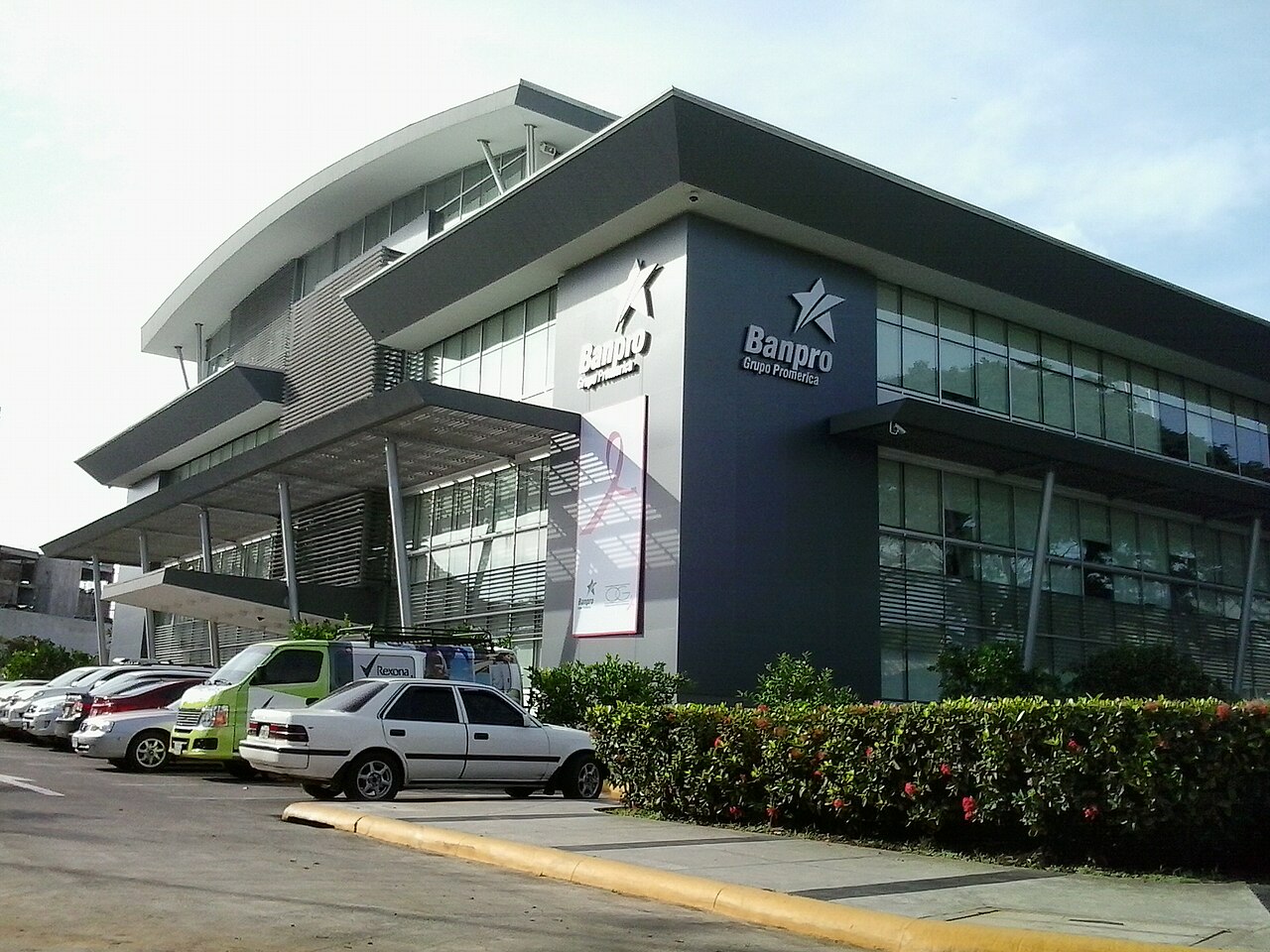 Managua
The services base: the country’s one JCI-certified hospital, the airport, embassies, and the deepest private care. Verified city rent series: a gap in this pass — budget from written quotes, not listings screenshots.
Details ↓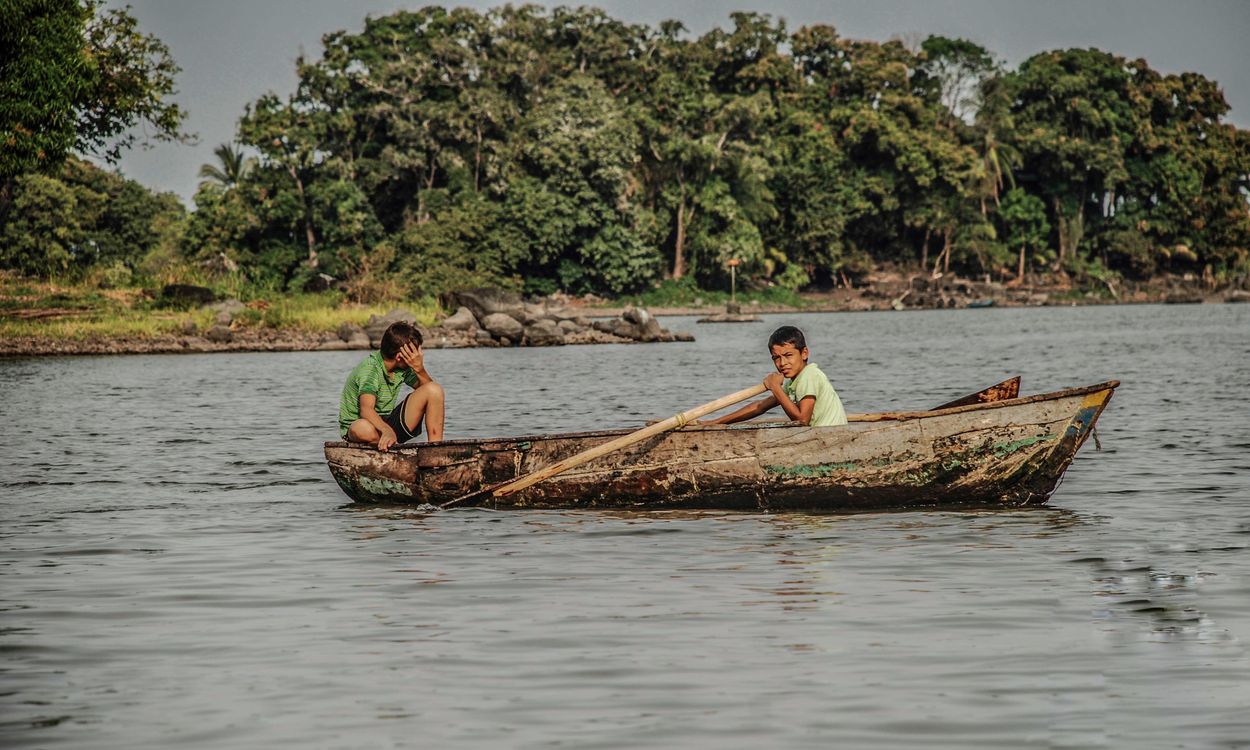 Granada
Colonial city on Lake Nicaragua, founded 1524, with an established expat presence about 45 minutes from Managua. Local care is basic-to-moderate; serious care means the capital. Verified rent series: a gap (crowd samples run to single digits).
Details ↓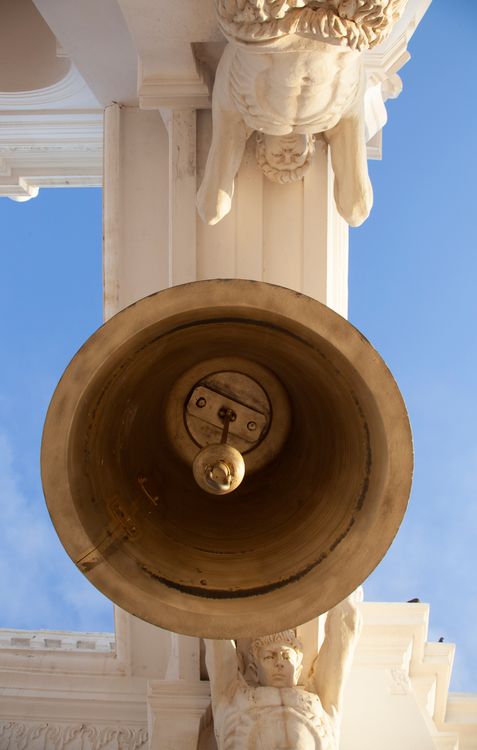 León
LeónUniversity and colonial city, generally the lowest-cost of the colonial pair, with a smaller expat support network and beach access at Las Peñitas. Healthcare depth outside Managua is limited. Verified rent series: a gap.
Details ↓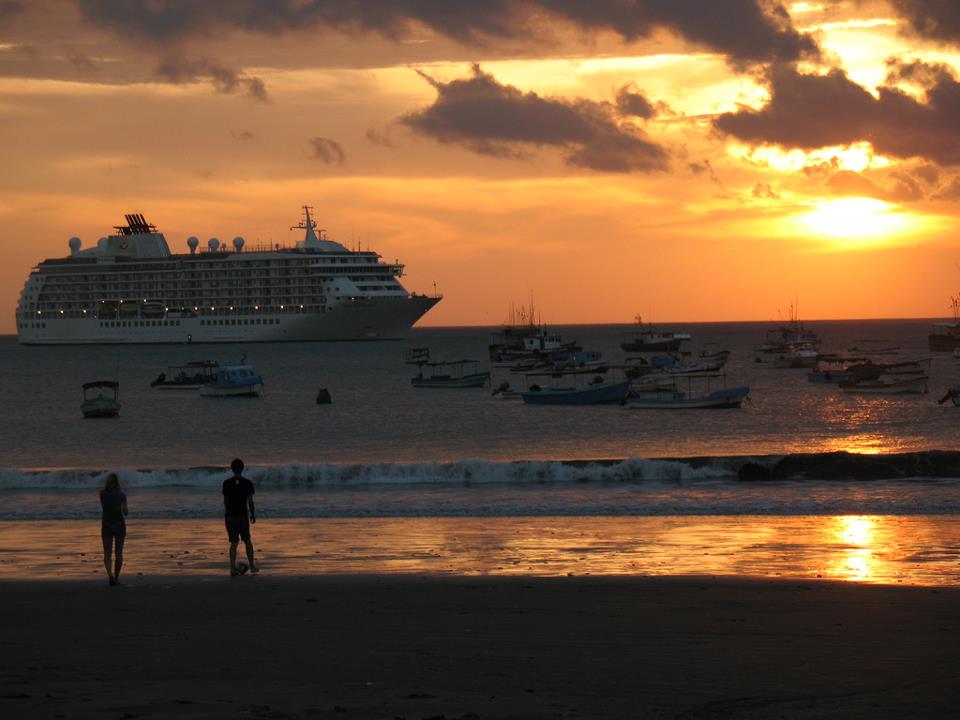 San Juan del Sur & the Rivas coast
The tracked couple budget below is real — US$2,050.84 in March 2025, owning their home (In Nica Now). Basic houses rent at $350–$500/month; North-American-style homes start around $1,500. Farthest Pacific hub from Managua’s hospitals, and close to the Costa Rica border.
Details ↓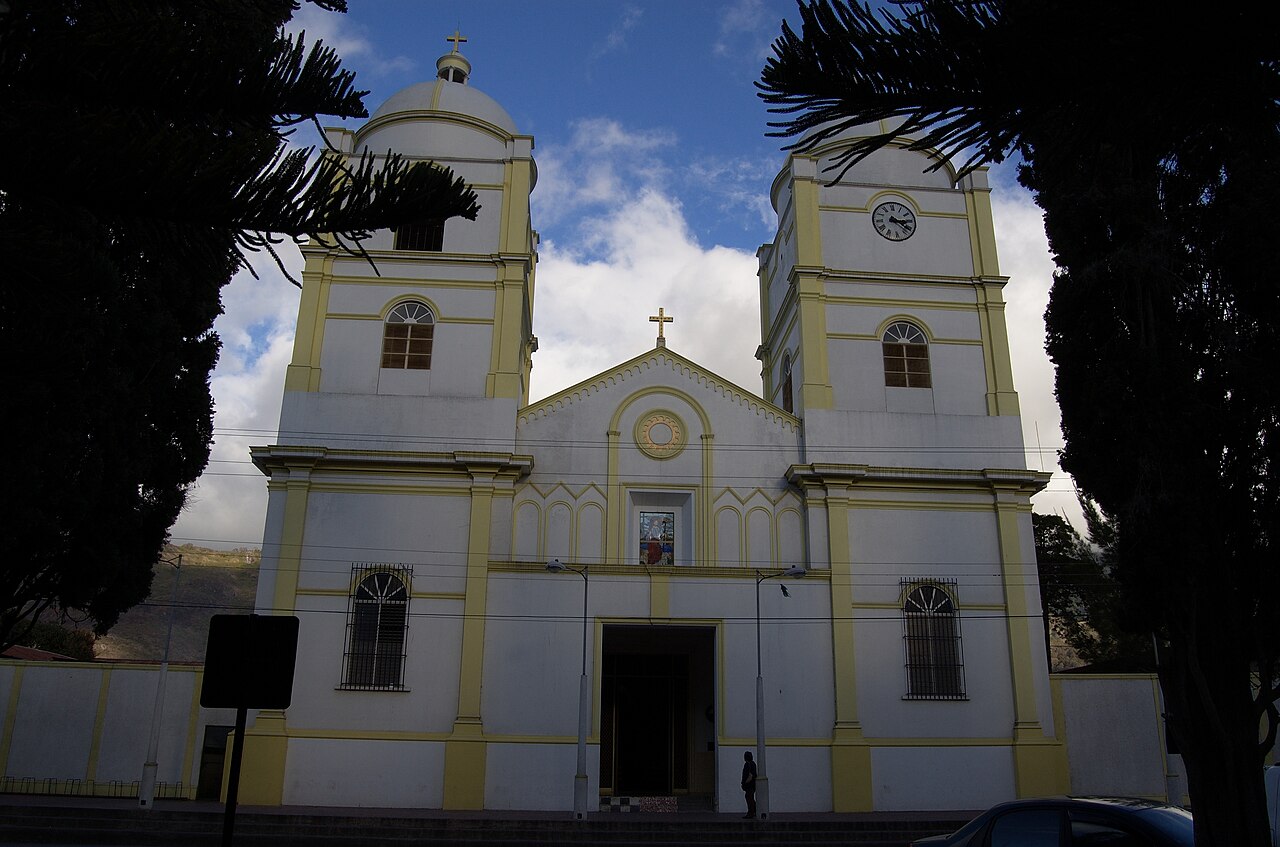 Matagalpa–Jinotega highlands
Cooler coffee country with low costs and a quieter pace. Services are remote and healthcare is basic; this is a deliberate-trade-off choice, not a starter base. Verified rent series: a gap in this pass.
Details ↓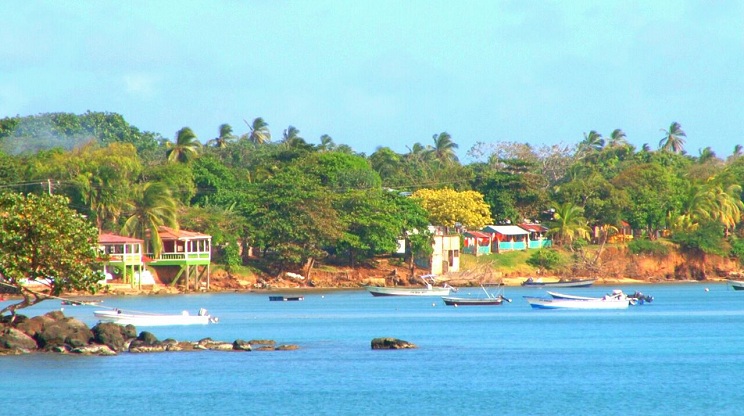 Corn Islands
English-Creole Caribbean islands with diving and a slow pace — and basic healthcare, hurricane exposure, and flight dependence for anything serious. We list them as a cautionary option, not a first base. Verified rent series: a gap.
Details ↓Managua — the services base
Why people pick it: it is the only city where comprehensive care, the international airport, embassies, and the deepest private services sit in one place. The trade-off: it is the least “retirement postcard” setting in the country. Healthcare: the country’s one JCI-certified hospital (U.S. State Department, 14 May 2026), plus the Hospital Militar membership-plan route reported by long-term residents. Watch-outs: the May 2026 advisory describes location and transport restrictions for U.S. government employees in parts of the capital — read the current advisory text, not a summary, before choosing a neighbourhood.
Granada — the colonial lake city
Why people pick it: a walkable colonial centre on Lake Nicaragua, an established expat social scene, and roughly 45 minutes to Managua’s hospitals and airport. The trade-off: heat, and local care that is basic-to-moderate — serious care means the capital. Costs: no verified rent series in this pass; crowd-sourced samples are too thin to print as fact, so your dossier works from written local quotes instead. Watch-outs: water and power interruptions are a lived budgeting item in Nicaragua generally — ask about tanks and backup before signing a lease.
León — the university city
Why people pick it: colonial architecture, a university-city rhythm, beach access at Las Peñitas and Poneloya, and generally lower costs than Granada. The trade-off: a smaller expat support network and the same outside-Managua healthcare limit. Costs: verified rent series is a gap in this pass. Watch-outs: León sits in a volcanic chain region listed in national risk assessments — check the specific neighbourhood, not just the city name.
San Juan del Sur & the Rivas coast — the surf-town ecosystem
Why people pick it: the closest thing to a turnkey expat ecosystem — surf beaches, restaurants, and long-term foreign residents. The numbers: a Canadian couple living there since 2011 tracked US$2,050.84 of spending in March 2025 with housing at $0 because they own outright (groceries $408.85, restaurants $339.45, vehicle/transport $134.49, pet $106.16). Add rent to make it a renter’s budget: basic houses at $350–$500/month, modern North-American-style homes usually from $1,500 (In Nica Now, 25 August 2025). Fibre internet (Claro, 150 Mbps) was $47.58/month in the centre; outside the centre, a wireless 25 Mbps service was $184/month. The trade-offs: it is the Pacific hub farthest from Managua’s hospitals (road time unverified in this pass — plan the drive, don’t assume it), water supply interruptions are documented, and the area sits near the Costa Rica border, so the August 2025 border-land law makes parcel-level title screening essential before any purchase.
Matagalpa–Jinotega highlands — the cooler, quieter option
Why people pick it: coffee-country elevation, cooler temperatures, and low costs away from the coastal scene. The trade-offs: remote services, basic healthcare with serious care in Managua, and weaker infrastructure at the edges. Costs: no verified rent series in this pass — treat any single listing as an asking price, not a market. Watch-outs: this is a niche choice for people who have already visited and priced the drive to the capital.
Corn Islands — the Caribbean option, printed with its limits
Why people pick it: English-Creole culture, diving, and a very slow pace on Big and Little Corn. The trade-offs, stated plainly: healthcare is basic, with serious conditions requiring travel to the mainland or out of the country; the Caribbean side takes direct hurricane landfalls (Eta and Iota, November 2020); and island life depends on flights, boats, and imported goods. We include the islands so the comparison is complete — they are not the first base this page would plan around.
Dedicated city pages are the next build step for Nicaragua — the country page carries the comparison first, and each place above gets its own page when its rent and services data supports one. We do not publish a city page built on gaps.
The U.S. side does not stop at the border
Social Security. U.S. citizens generally may receive Social Security abroad if eligible. The Social Security Administration publishes a Nicaragua direct-deposit sign-up form (SSA-1199-OP86) — confirm the current international direct-deposit status and the Federal Benefits Unit’s instructions before filing, and keep SSA informed of address and banking changes. No Nicaragua beneficiary count is printed here: no official country breakdown was retrieved in this research.
Taxes and reporting. U.S. citizens file U.S. returns on worldwide income wherever they live. The FBAR rule reports foreign bank accounts over US$10,000 combined at any moment in the year; FATCA Form 8938 may also apply. Whether a U.S.–Nicaragua tax treaty or totalization agreement affects your pension is a check-at-filing item with a cross-border preparer — this page does not print an unverified treaty claim either way. Commercial sources describe Nicaragua as taxing local-source income; confirm the current treatment of foreign pensions with Nicaraguan counsel before relying on it.
The paperwork habit that matters here: because residence is temporary and renewable, your U.S.-side records — pension evidence, bank statements, address history — stay filing-current every year, not just at the first application. Your dossier sequences that calendar for you.
Vetted contacts, with the gaps printed
Researched from public sources and verified 8 October 2026. No outreach was made. Self-reported claims are marked as self-reported; where no provider met the bar, we print the gap instead of filling it with a weaker name.
- Legal — Consortium Legal (Managua)consortiumlegal.com — the firm’s published analysis (29 July 2025) of the 2024 migration reform is the clearest in-country legal account of the post-2024 temporary-residence position and is cited on this page. A starting point for current written rules; no individual attorney verified in this pass.
- Relocation — In Nica Now (San Juan del Sur)innicanow.com — relocation consulting: online meeting $50/hour, coffee session $50, dinner session $80; home-finder service listed at $399 (prices checked 2026 — re-confirm before engaging). The operators state they have lived in San Juan del Sur since 2011. Conflict, printed: the same operators also earn from real estate and Airbnb activity.
- Health anchor — Hospital Metropolitano Vivian Pellas (Managua)hospitalvivianpellas.com — identified in secondary sources as the country’s one JCI-certified hospital; the U.S. State Department confirms one JCI-certified hospital in Managua. Membership/discount plans “from $30/month” are operator-reported, not a verified premium table. Use the hospital’s own site for contact routes.
- Health — Hospital Militar membership plan (Managua)Operator-reported at $90/month for a couple, with many procedures covered at 100% (In Nica Now, August 2025). A membership/discount plan, not comprehensive insurance — verify current terms directly with the hospital.
- Property — listed, not vetted: Emerald Real Estate Nicaragua; BMR LegalNames from a 2025 public video on residency by investment and the broker’s public posts (licence and contacts as listed there, checked 8 October 2026). Conflict, printed: real-estate sales. Own-site verification was not completed in this pass — confirm licence and terms on the firms’ own pages before engaging.
The gaps we won’t hide: no independently reviewed immigration attorney with current post-2024 written rules yet — current thresholds, fees, and renewal requirements could not be verified from an official regulation, so obtain them in writing from Nicaraguan counsel before filing; no insurer-verified evacuation or expat premium table at ages 65, 70, and 75; no verified San Juan del Sur parcel-level property counsel for post-Ley 1258 screening; and no verified helpers yet for León, the highlands, or the Corn Islands. Verified 8 October 2026.
Three red flags before you hire any local helper: (1) anyone who guarantees a visa, promises to “handle the consulate” for you, or will not give a full legal name, address, and — for a lawyer — a bar or licence number; (2) money outside traceable, papered channels — cash-only fees, deposits to a personal account, or no written contract; (3) reputation you cannot check — only testimonials on the helper’s own website, nothing recent, or a “free” tour that is really a property-sales route.
Trivia: did you know?
Small facts, checked and tightened — no brochure folklore.
Lake Nicaragua — also called Cocibolca — is the largest lake in Central America, and Granada sits on its northwestern shore.
Lake Nicaragua was famous historically for freshwater bull sharks. They are much rarer now — we print the careful version, not a promise of a sighting.
Nicaragua has around 19 active or potentially active volcanoes, including Masaya near Granada and Managua and the volcanic chain behind León.
Granada, founded in 1524, is one of the oldest continuously inhabited European-founded cities in the Americas.
Nicaragua has Pacific and Caribbean coasts — and the two sides differ in culture, climate, and landscape, from the surf towns of Rivas to the English-Creole Corn Islands.
Quick quiz — no grades, we promise
1. The largest lake in Central America is…?
Lake Nicaragua (Cocibolca) — the largest lake in Central America.
2. Granada was founded in…?
1524 — one of the oldest continuously inhabited European-founded cities in the Americas.
3. Lake Nicaragua’s bull sharks are best described as…?
Historically famous — and much rarer now.
Inside your dossier
What the $149 actually looks like — a document built around you, not articles for everyone.
Your Nicaragua Relocation Plan
Assembled from your planner answers: household, income, cities, timeline.
Read this before any website that quotes $600 a month. That figure belongs to Ley 694, repealed on 2 August 2024. Since Ley 1228 (29 November 2024), a pensionado or rentista files for temporary renewable residence — a status you renew, with documents resubmitted on cycle, rather than a permanent status you settle into. Your chapter lays out the current route in order, marks exactly which thresholds and fees still need written confirmation from Nicaraguan counsel before you file, and builds the annual renewal calendar so a lapsed document never becomes a lapsed status.
Every figure in your dossier carries its source and its “as of” date — so you can check us before you trust us.
The gap we won’t hide: current post-2024 income thresholds, fees, and surviving benefits are not yet verified against an official regulation. Your chapter prints that as an open item with the exact written confirmation to obtain — it never fills the hole with the repealed law’s numbers.
Preparation checklist
Tick things off as you accomplish them. Your progress saves on this device only — nobody else sees it.
Decide & scout
Documents
Money & health
Household, kids & pets
Everything you need to prepare your move — in one place
- The interactive planner plus your personal relocation dossier for the country you choose — built from your planner answers (digital)
- Residency steps, document lists and fee tables — each figure dated and sourced
- Children covered: schooling guidance by your children’s ages — options by age band and enrollment timing — and how kids change the residency math
- Pets covered: bringing your dog or cat — entry rules, the paperwork sequence, transport options and typical costs, by country
- Banking covered: opening a local bank account, moving pension money in, keeping your U.S. accounts healthy, and the FBAR / $10,000 reporting rule
- Nicaragua covered at country level: six places compared, with dedicated city pages as the next build step
- Vetted contacts: names, contact details, evidence, verification date
- Free updates whenever Nicaraguan rules change the numbers
- 14-day promise: if it isn't what was described, email us — we'll make it right or refund you in full. Feedback welcome, never required.
Secure checkout powered by Stripe. Access opens as soon as your order confirms.
Important: Settled Overseas dossiers are educational information only. They are not legal, immigration, tax, insurance, medical, or real-estate advice, and they are not a substitute for a licensed attorney, CPA, or insurance professional in the relevant country. Residency thresholds, fees, and rules are stated as of their cited dates and change over time; confirm current requirements with official sources and qualified local professionals before acting. Medicare generally does not cover healthcare outside the United States — this dossier explains how foreign healthcare systems work and never recommends any insurance product or enrollment decision.